
Too many animals in this world are left homeless and stuck inside animal shelters waiting for their forever home. Unfortunately, most of these animal shelters are also becoming inundated with clients that they have to turn animals away due to lack of space, forcing these animals to find shelter in other places or, even worse, become euthanized. Many animal shelters seek out foster parents for dogs and cats in order to free up space at their shelters and give these animals a chance to live in a real home with real people and other pets. There are many people out there who foster these dogs in order to help, but fostering a dog is not as easy as it may seem. The following are a few things to consider before signing up as a foster parent for a dog.
-
You don’t know the animals you’ll receive
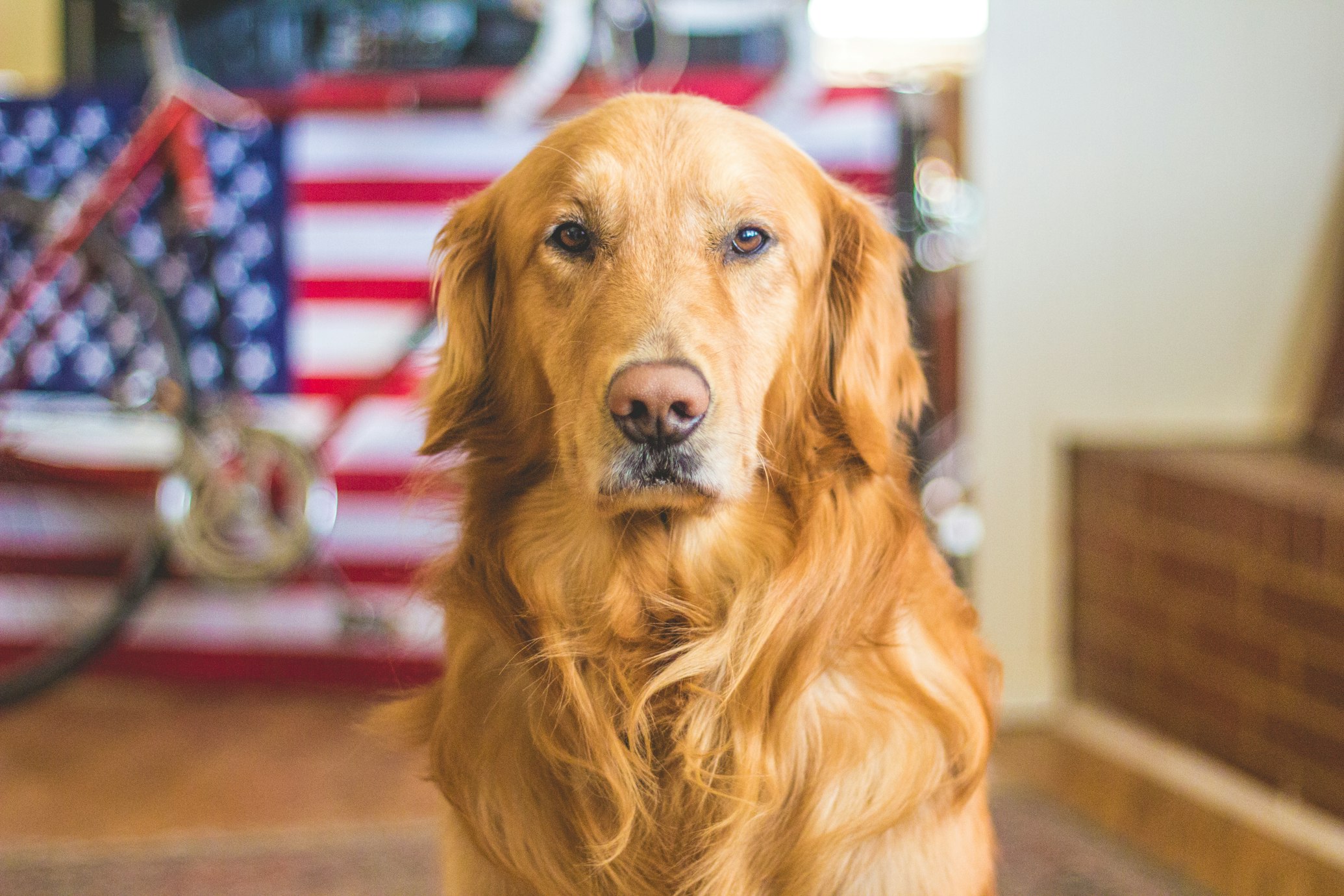
Shelters are looking for foster homes for all types of dogs, so it’s likely that you will not know exactly what animal you will get. You may end up with a small dog, a large dog, a young puppy, an older dog, or even a dog with disabilities. Make sure that you’re prepared to handle any dog of any breed, size, age, and health issues before saying yes. If you have children in your home, it’s important you truly think about this. You don’t know if the animal you will foster will be good with kids, and you don’t want to put your children in danger just to save an animal.
-
You may end up with more than one dog
In order to free up space in the shelter, many shelters will reach out to their foster parents to accept more than one dog at a time. It’s very important that you understand you may have a variety of different dogs in your home at once, which means extra care and extra cleanup will be necessary. If you don’t have the space to house multiple animals, you may want to rethink being a foster parent.
-
You need to take care of them
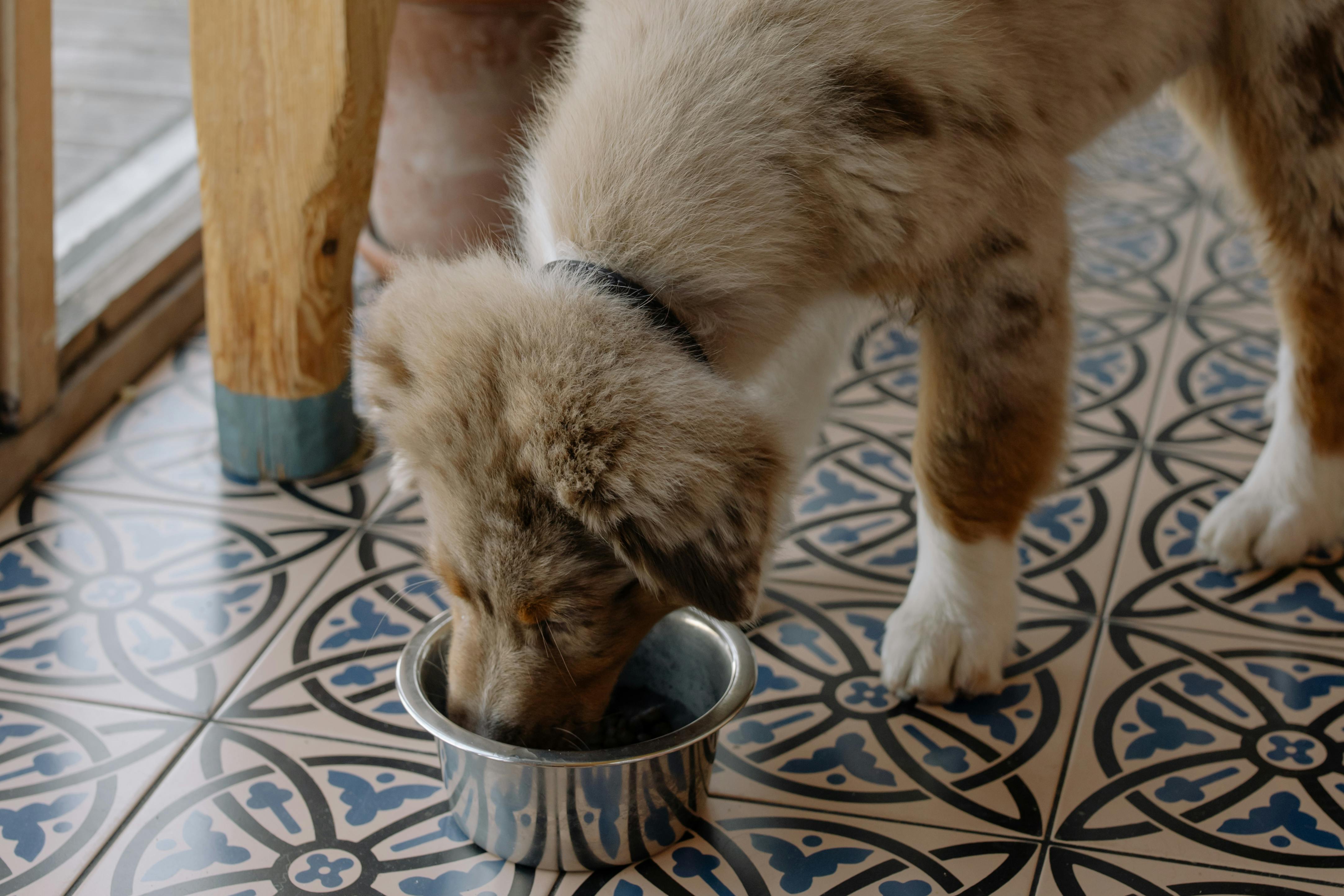
While the animal shelter will usually cover the cost of vet care and food, it’s still your responsibility to care for the dogs you foster. This means you need to give them love and support, feed them, provide them with exercise, and treat them fairly. If you don’t have the time, patience, or space to do all this, you shouldn’t be a foster dog parent.
-
You need to have a clean background
Animal shelters will do a thorough background check on you before allowing you to be a foster parent, so if you have any negative marks on your background, you will not be accepted.
-
You will have to say goodbye
Foster dogs can live with you for a very long time, which means that you will create a bond with this animal. You may come to love them as your own, but sometime the day will come when you will be forced to say goodbye to your pet as they are placed in their forever home. This can be extremely emotional, so it’s very important you keep this in mind before agreeing to be a foster parent.