
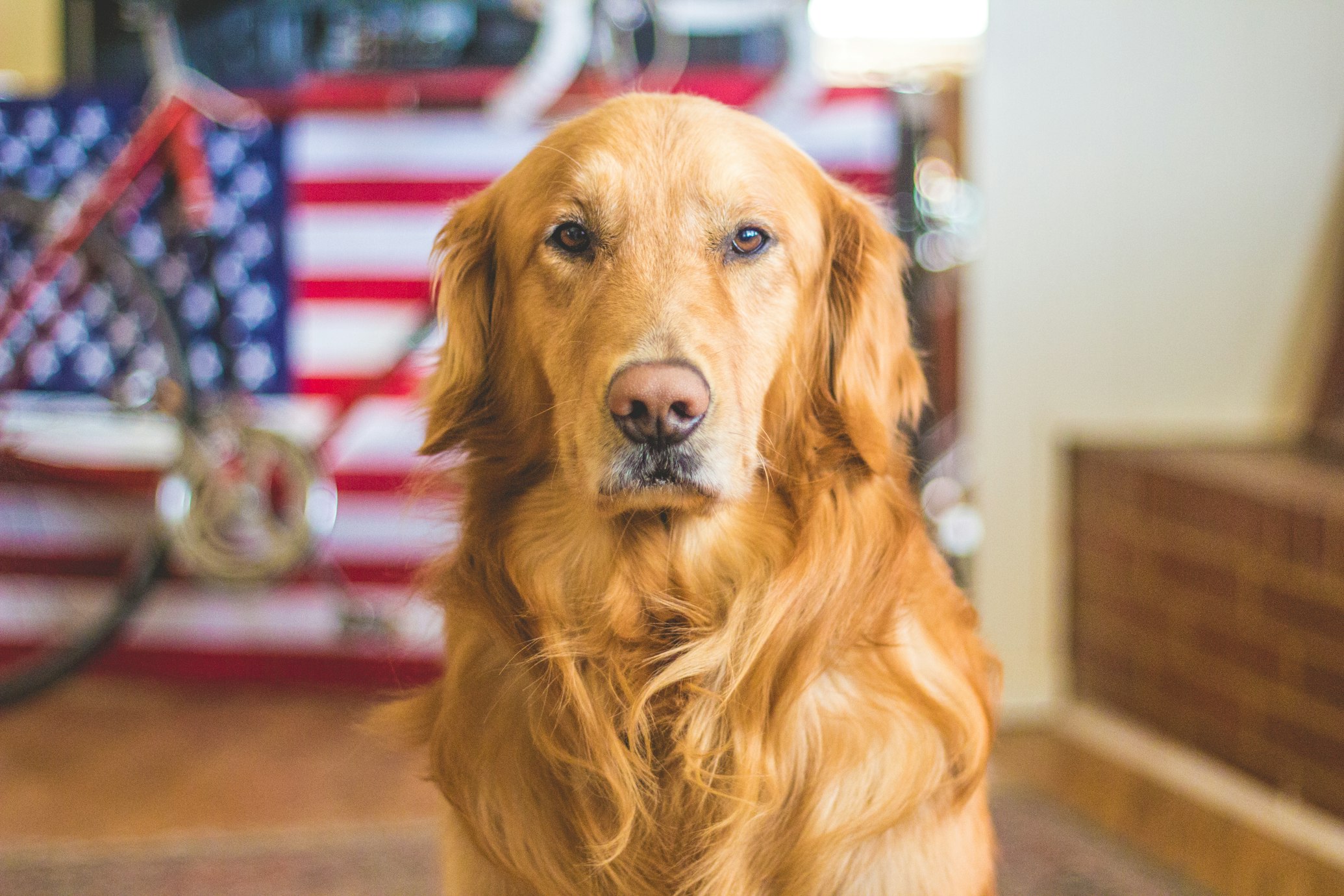
Therapy dogs are well known for their extraordinary capacity to offer comfort, companionship, and emotional support to those in need. They offer solace and happiness to residents of nursing homes, hospitals, and other community settings. You can train your dog to be a therapy dog, which would be an excellent way to spread joy and give back.
Therapy dogs must undergo specific training and testing to ensure they are ready for their significant duty. Although there’s no widely accepted accreditation for therapy dogs, there are respectable organizations that provide certification procedures and training courses. Find out what it takes to train and obtain a therapy dog certification.
Evaluate eligibility
Not every dog can work as a therapy dog. First and foremost, you should ensure that your dog is well-mannered and at ease in social situations. The dog must be calm and amiable, adapt well to new situations, and have a close relationship with their handler.
All dog breeds that meet these criteria are acceptable for therapeutic use:
- Be in good health and older than one year.
- Remain composed in very distracting circumstances.
- Appreciate interpersonal relationships
- Display a steady disposition
Fundamental obedience training
Afterward, you’ll have to teach your dog basic commands like come, sit, stay, and down. Training focused on specific therapies is based on these fundamental abilities.
Complete a therapy dog training program.
Look for a respectable program or organization that offers organized training and assessment for therapy dogs. Typically, these programs involve obedience, socialization, and specialized abilities needed for therapeutic work. Note that different programs have varying qualification criteria. You can train a therapy dog alone or with help from a professional, which requires a lot of effort and dedication.
Assessment and certification
After the training program is over, the dog and handler must go through an evaluation by a qualified evaluator. The assessment evaluates the dog’s handling abilities, behavior, temperament, and obedience. The certification of a therapy dog is obtained upon completing the evaluation.
Here is a reference evaluation checklist for you:
- The dog can react satisfactorily to spoken orders such as “come,” “stay,” “sit,” and “heel.”
- The dog will remain composed in highly distracting circumstances.
- The dog will interact with other dogs socially and fearlessly.
- The dog will sit and remain nicely while receiving stroking from somebody other than the handler.
- The dog will welcome pleasant strangers and permit them to come up to and talk to the handler in an everyday setting.
- The dog will respond to a handler’s call from a distance of roughly ten feet when it is wearing a collar.
Plan your first appointment.
After obtaining certification as a certified therapy team, you and your dog can start going to locations that the organization of your choice arranges. This is the ultimate evaluation of your dog’s conduct in practical situations. Finally, you should also participate in ongoing training to ensure the continued suitability of your therapy dog.
CONCLUSION
The perfect therapy dog is well-mannered, socialized, and has a genuine affection for people. A therapy dog must also be able to focus on its human handler while adjusting well to unfamiliar surroundings. Any size dog breed, big or small, can fill this crucial position.