
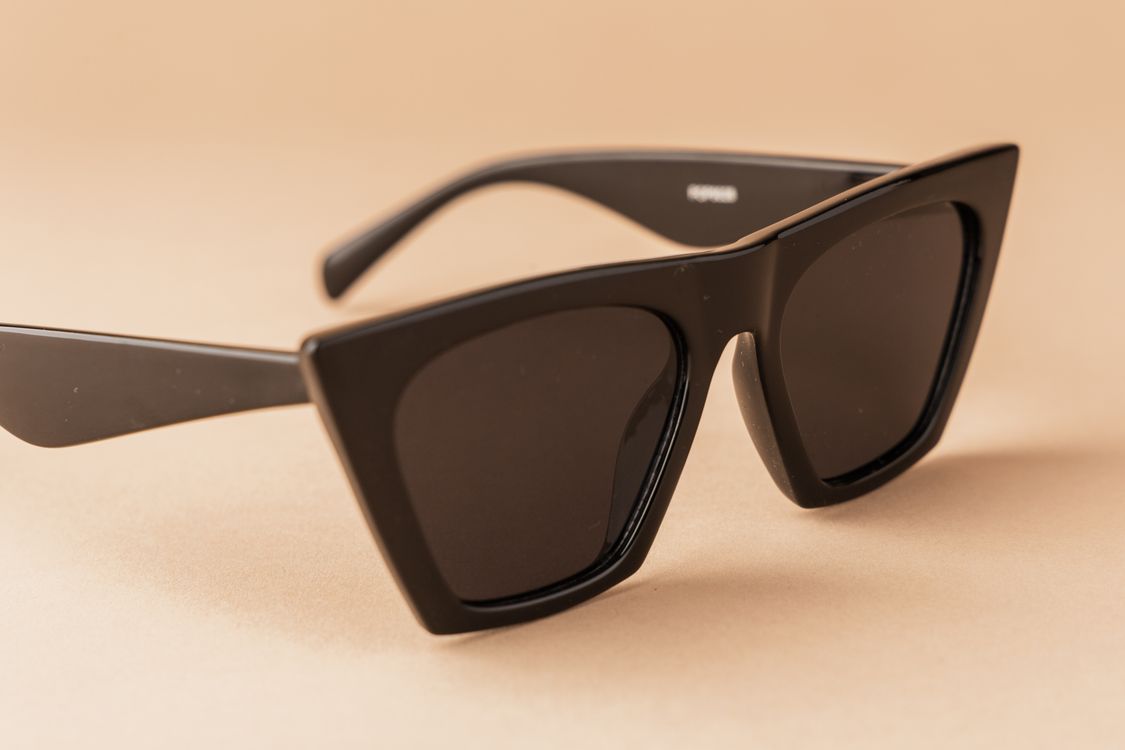
Sunglasses are more than a stylish accessory; they are essential for safeguarding your eyes against harmful ultraviolet (UV) radiation. Prolonged exposure to UV rays can lead to eye damage, vision impairment, and long-term health issues. Understanding the science behind UV protection in sunglasses helps you make informed decisions about your eyewear and ensures optimal protection.
UV radiation is an invisible form of light emitted by the sun. It is categorized into three types based on wavelength: UVA, UVB, and UVC. While UVC is mostly absorbed by the Earth’s atmosphere, UVA and UVB penetrate through, posing significant risks to your eyes and skin.
- UVA Rays: These penetrate deep into the skin and eyes, contributing to premature aging and long-term damage.
- UVB Rays: These are responsible for causing sunburn and can damage the outer layers of the eyes, increasing the risk of cataracts and photokeratitis.
Without adequate protection, exposure to these rays can accelerate the development of conditions like macular degeneration, a leading cause of vision loss.
How Sunglasses Protect Your Eyes
The primary function of sunglasses is to block UV radiation. This is achieved through a combination of materials, coatings, and lens technology designed to absorb or reflect harmful rays.
- Lens Materials:
- Polycarbonate and CR-39 lenses are commonly used for UV protection due to their inherent properties. Polycarbonate lenses are particularly durable and offer 100% UV protection.
- Glass lenses, while heavier, can be treated with coatings to ensure high levels of protection.
- UV Coatings:
- A UV-blocking coating is applied to many lenses to enhance their protective capabilities.
- High-quality sunglasses often come with labels indicating “UV400,” meaning they block 100% of UVA and UVB rays.
- Polarization:
- Polarized lenses reduce glare by filtering out light reflected off horizontal surfaces like water or roads. While not directly related to UV protection, polarization enhances visual comfort and clarity.
- Tint and Colour:
- Contrary to popular belief, darker lenses don’t necessarily provide better UV protection. The effectiveness depends on the UV-blocking technology integrated into the lenses.
Choosing the Right UV Protection
When selecting sunglasses, consider these factors to ensure comprehensive UV protection:
- Look for the UV Label: Always check for a label that states “100% UV protection” or “UV400.”
- Consider Fit and Coverage: Wraparound sunglasses provide better coverage by protecting the eyes from all angles, preventing UV rays from entering from the sides.
- Lens Quality: Invest in reputable brands that guarantee tested and certified UV protection. Cheap, uncertified lenses might cause more harm by dilating the pupil without blocking UV rays.
The Role of Standards and Certification
Regulatory bodies have established standards to ensure sunglasses meet safety requirements. In Europe, sunglasses are classified under the CE mark, which indicates compliance with safety standards. Similarly, in the United States, ANSI certification verifies lens quality and UV-blocking capabilities.
High-quality companies like Faded Days Sunglasses UK exemplify how style and functionality can coexist. These sunglasses not only feature fashionable designs but also incorporate advanced UV protection, ensuring that your eyes are shielded without compromising on aesthetics.
The Long-Term Benefits of UV-Protective Sunglasses
Investing in sunglasses with proper UV protection is an investment in your eye health. Long-term benefits include:
- Reduced risk of cataracts and macular degeneration.
- Protection from photokeratitis, often described as a “sunburn” for the eyes.
- Prevention of skin damage around the eyes, reducing the risk of skin cancer on the delicate skin of the eyelids.
The science behind UV protection in sunglasses highlights their importance as a health necessity rather than a mere fashion statement. By understanding the dangers of UV radiation and the technologies used in lenses, you can make informed choices to safeguard your vision.