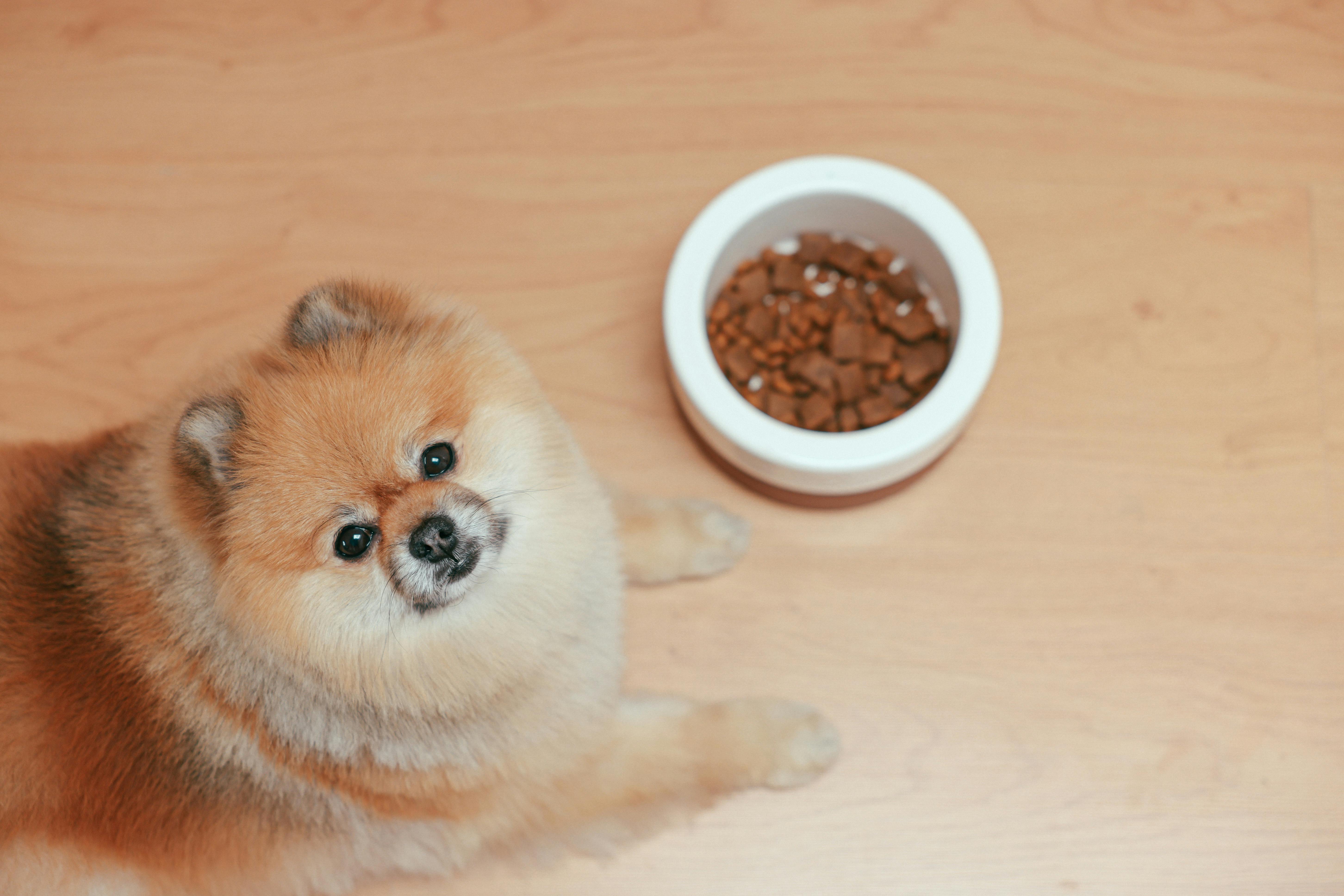

You often hear people use the term “puppy fat” in a cute, fun way, but it’s not so fun when that fat becomes a major health concern. That was very much brought to light recently with the story of a dachshund named Obie who weighed in at a shocking 77 pounds. The story got a ton of national coverage, with a custody battle eventually arising that had several different groups fighting for ownership of the 5-year-old dog. The custody battle actually somewhat took away from the weight issue, which should probably be the most important aspect of the story. Millions of dogs across the country have similar weight issues, although not necessarily to that extent.
Recognizing a Weight Issue
One of the biggest problems that dog owners face is actually recognizing when their dog is carrying a little too much fat. It’s not always obvious, so it’s important that you learn to spot the signs so as to avoid potential health issues. One simple way to check if your dog is overweight is to perform what is known as the rib test. That means simply running your hands down the side of your dog and seeing if you can feel his ribs. If they are not easy to find, there is a good chance your furry friend might need to shed a few pounds.
Consult Your Vet
If you are in any doubt about the weight of your dog, pay a visit to your vet and see what he or she has to say. They will let you know the perfect weight for your breed of dog and will recommend a diet plan if it is needed. You may need to learn how to reduce the daily caloric intake of your dog, which means going with smaller portions than you are used to feeding him. He will also likely recommend a weight-reduction dog food that has fewer calories per cup. Once you make the switch to the new food, be sure to monitor how your dog reacts to it, as there can be a few issues when you first change diets.
Feeding Habits
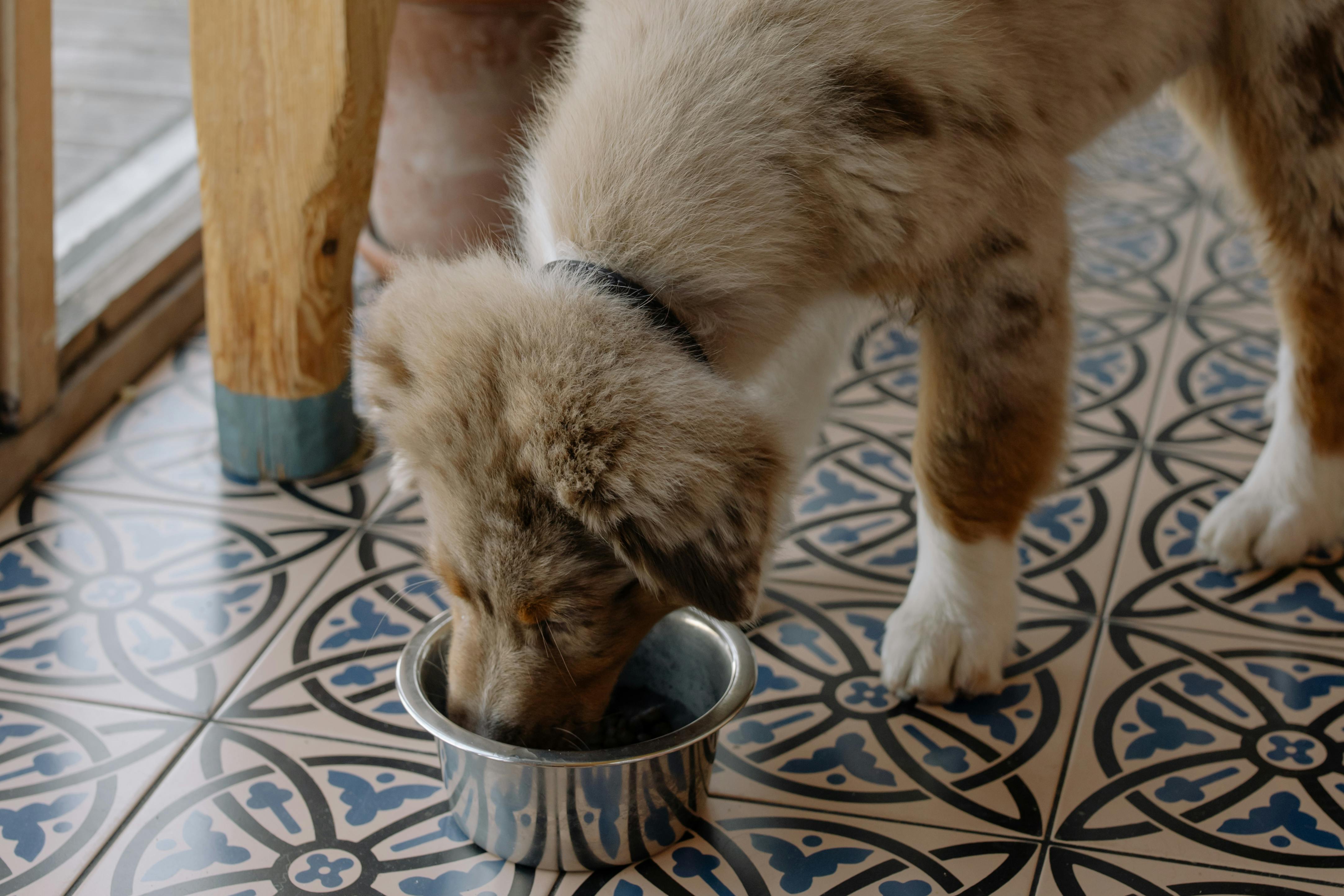
When it comes time to feed your dog, use a measuring cup to make sure that you give him exactly what your vet recommends. If you are in the habit of feeding your dog table scraps or frequently giving him treats, that is something that will need to be cut out of his diet. If you still want to reward him every now and again, ask your vet about healthy little snacks that won’t interfere with your dog’s weight loss plan.
Exercise
Just like with humans, exercise plays a big part in his shedding excess weight. You need to commit to taking him out and getting him moving. That could be in the form of long walks or some extra play time that will get him active. If you can follow all of those steps, it should only be a matter of time before your 4-legged friend begins to shed that puppy fat and enjoy better health.