
For many people, the calming sight of colourful fish gliding through a tank is the perfect antidote to a busy day. Keeping fish has long been a popular hobby in the UK, whether as a small goldfish bowl in a child’s room or a large, thriving tropical aquarium in a living room. But while fishkeeping is rewarding, it’s not as simple as just filling a tank with water and adding fish. Success comes from understanding the basics of aquariums, choosing the right equipment, and selecting fish suited to your chosen setup.
Produced with help from the aquatics experts at Complete Aquatics, this beginner’s guide will walk you through everything you need to know to get started, from the types of aquariums available to the essential kit you’ll need and the most popular species for each environment.
Why Start Fishkeeping?
Fishkeeping is a relaxing and fascinating hobby. Many aquarists find it therapeutic to watch fish swim, and a well-maintained tank can also make a beautiful feature in your home. For children, it’s a fun introduction to animal care, responsibility, and the basics of aquatic ecosystems. Unlike dogs or cats, fish don’t need walking, grooming, or constant attention, making them ideal pets for those with a busy lifestyle or limited space.
However, it’s important to remember that keeping fish is not maintenance-free. Aquariums are living systems that need cleaning, monitoring, and proper care to keep fish healthy.
The Different Types of Aquariums
Before buying your first fish, you’ll need to decide what type of aquarium you want. Each has its own benefits, challenges, and suitable fish species.
- Coldwater Aquariums
Coldwater tanks are kept at room temperature, typically between 16–22°C in the UK.
Pros:
- Easier to set up (no heater required).
- Often cheaper to run.
- Suitable for hardy species like goldfish.
Cons:
- Limited choice of fish compared to tropical setups.
- Goldfish, while common, grow much larger than many beginners expect and need a lot of space.
- Coldwater fish can be quite messy, producing lots of waste, which means frequent cleaning is required.
Common Coldwater Fish:
- Goldfish (fancy and common varieties).
- White Cloud Mountain Minnows.
- Weather Loaches.
Coldwater aquariums are often recommended for children or absolute beginners, but you must still provide a tank with filtration and proper care — avoid the outdated idea of keeping goldfish in small bowls.
- Tropical Freshwater Aquariums
The most popular type of aquarium for beginners in the UK, tropical freshwater tanks are heated to around 24–27°C.
Pros:
- Huge variety of fish available in different sizes, colours, and behaviours.
- Plants thrive in warmer water, making it easier to create a lush, natural-looking tank.
- Many species are beginner-friendly and relatively inexpensive.
Cons:
- Requires a heater and closer monitoring of water parameters.
- Overcrowding is easy if you get carried away with the choice of fish.
- Some tropical species are not compatible and may fight or stress each other.
Common Tropical Freshwater Fish:
- Guppies, mollies, platies, and swordtails (colourful livebearers).
- Neon tetras and cardinal tetras.
- Corydoras catfish (excellent bottom dwellers).
- Betta fish (best kept alone due to aggression).
Tropical freshwater tanks are versatile and rewarding, making them a brilliant choice for most beginners.
- Marine (Saltwater) Aquariums
Marine tanks house saltwater fish and often corals, aiming to recreate a slice of the ocean.
Pros:
- Stunning variety of fish with vibrant colours and unique shapes.
- Possibility of keeping corals, anemones, and other invertebrates.
- Highly rewarding for dedicated aquarists.
Cons:
- More complex to set up and maintain.
- Saltwater fish are often more expensive.
- Equipment costs are significantly higher (protein skimmers, powerheads, special lighting).
- Not as forgiving of mistakes — small changes in water quality can be fatal.
Common Marine Fish:
- Clownfish (popularised by Finding Nemo).
- Damselfish.
- Gobies.
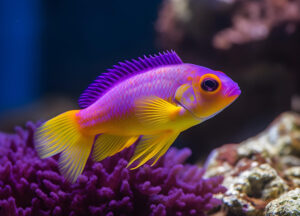
- Royal Grammas.
Marine aquariums are best suited to those with some experience or a willingness to commit time and money to learning.
- Speciality Aquariums
Some aquarists enjoy creating niche setups:
- Brackish tanks (a mix of fresh and saltwater) for species like pufferfish or mollies.
- Species-only tanks (e.g., a betta fish tank).
- Biotope tanks, which replicate the natural environment of a specific river or lake.
These setups can be fascinating but usually require more knowledge and research.
Essential Equipment for a Healthy Aquarium
No matter which type of tank you choose, certain equipment is essential to keep your fish happy and healthy.
- Aquarium Tank
Choose a size larger than you think you’ll need. A common beginner mistake is buying a small tank, which is harder to maintain because water quality fluctuates quickly. A good starting size is 60–100 litres.
- Filter
A filter is crucial for keeping water clean. It removes waste, supports beneficial bacteria, and oxygenates the tank. Options include:
- Internal filters (simple and good for smaller tanks).
- External canister filters (more powerful, better for larger tanks).
- Heater (for tropical and marine tanks)
Keeps water at a stable temperature. Many models come with a thermostat for automatic regulation.
- Lighting
Essential for plants in freshwater aquariums and corals in marine tanks. Even in fish-only tanks, lighting helps showcase your fish.
- Substrate
Gravel, sand, or specialist planted-tank soils provide a base for plants and help mimic natural habitats. The choice depends on the type of fish — for example, bottom-dwelling catfish prefer smooth sand.
- Water Conditioner
Tap water in the UK contains chlorine and sometimes chloramine, both harmful to fish. A water conditioner neutralises these chemicals.
- Water Test Kit
Testing for ammonia, nitrite, nitrate, and pH helps you monitor tank health. New tanks must go through a “cycling” period to establish beneficial bacteria — testing is vital during this phase.
- Aquarium Net & Gravel Vacuum
Useful tools for safely catching fish and cleaning the substrate during water changes.
- Air Pump & Decorations
An air pump adds oxygen and movement, while decorations and plants provide hiding places and interest. Just ensure ornaments are aquarium-safe.
Helpful Tips for Beginners
- Do Your Research Before Buying Fish
Not all fish are compatible. For example, angelfish may eat small tetras, and male bettas should not be housed with others of their kind. - Cycle Your Tank Before Adding Fish
This means running the filter for several weeks and building up beneficial bacteria. Adding fish too soon often leads to “new tank syndrome” — deadly ammonia spikes. - Start with Hardy Species
Beginner-friendly fish such as guppies, mollies, or danios are more forgiving of small mistakes. - Don’t Overfeed
Excess food pollutes the tank. Feed small amounts once or twice a day, only what fish can eat in 2–3 minutes. - Regular Maintenance is Key
Weekly water changes (10–20%) and filter cleaning keep water quality high. - Think Long-Term
Some fish live for over a decade. Goldfish can grow to over 30 cm and live 15+ years if properly cared for — far beyond the lifespan many expect.
Final Thoughts
Starting your first aquarium is an exciting step, but it requires preparation. By choosing the right type of tank, investing in proper equipment, and selecting suitable fish, you’ll set yourself up for success. Coldwater tanks are a simple entry point, tropical freshwater tanks offer the widest variety, and marine tanks deliver the most visual impact — but also the greatest challenge.
Whichever you choose, patience is the key. Take time to set up, cycle, and maintain your aquarium, and you’ll be rewarded with a thriving underwater world that brings beauty and calm to your home for years to come.